

Whistler Wired
Bear Safety
Sharing Whistler’s trails, golf courses, and neighbourhoods with the bears who live here
Your Guide to Whistler’s Bears
Around 50 black bears call Whistler home
The black bear is the most common bear in British Columbia, and roughly 50 resident black bears live in and around Whistler. As the snow melts each spring, they emerge from hibernation in search of food, and warmer temperatures and longer days draw them into town. Encounters are most likely on golf courses, along trails, and near the slopes of Whistler Blackcomb.
A little awareness keeps everyone safe, bears included. Whether you are visiting for a few nights or you own a home here, the most important thing you can do is keep bears from associating people with food. That means securing all garbage, never leaving it outside, and storing attractants indoors. Give bears space, keep your distance, and they will keep moving.
If you would like to see bears safely, you can join a Bear Viewing Tour, where expert guides take you to active feeding sites and daybeds while teaching you about these remarkable animals.
Keep Your Distance
Stay well back and let bears graze undisturbed. Never approach, surround, or crowd a bear to take a photo.
Never Approach Cubs
A mother bear sees any move toward her cubs as a threat. If you see cubs, the mother is close, so leave the area calmly.
Report a Sighting
Report a bear in conflict or distress to the BC Conservation Officer Service at 1-877-952-7277. Call 9-1-1 in an emergency.
Field Guide
Know the Difference
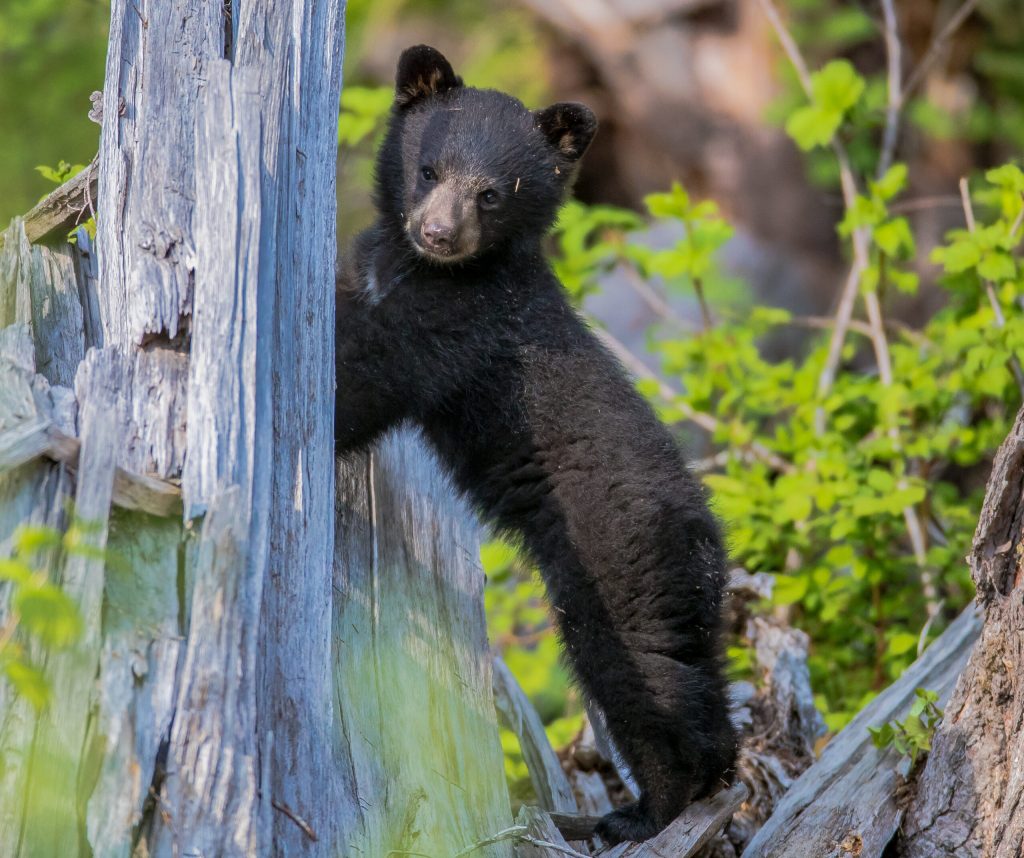
You will almost certainly meet black bears in Whistler. Grizzlies are very rare this close to the village, but knowing how to tell the two apart matters. The clearest signs are the shoulder hump, the slope of the back, and the shape of the face.

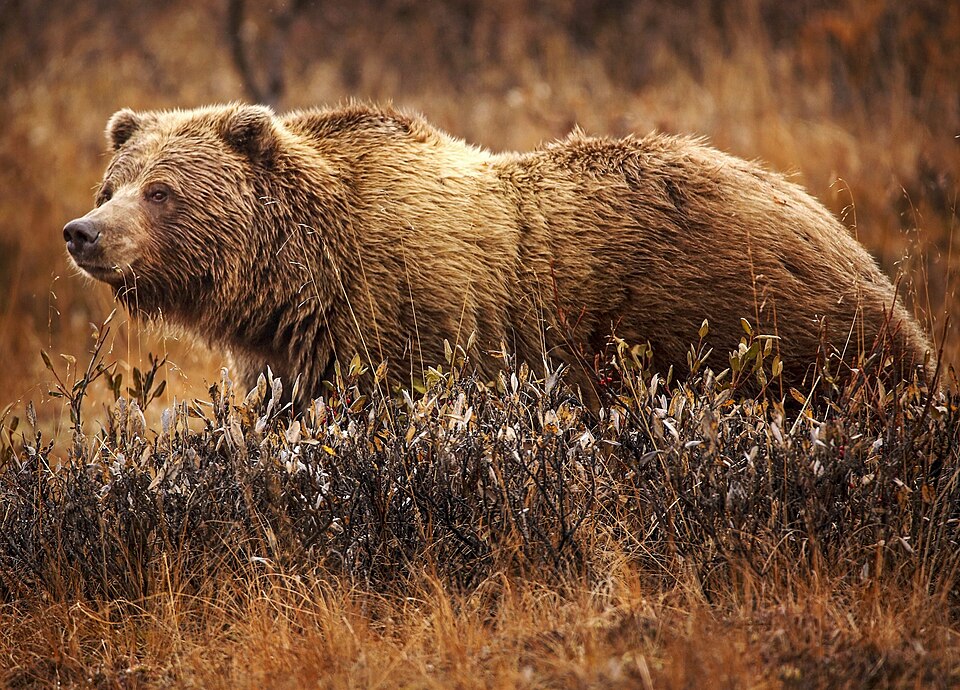
Black bears are the bears you will see in Whistler; grizzlies are very rare this close to the village. Photos via Wikimedia Commons: black bear by Snowmanstudios (CC BY-SA 4.0), grizzly by Jean Beaufort (CC0).
| Black Bear Ursus americanus | Grizzly Bear Ursus arctos | |
|---|---|---|
| Shoulders | Level or flat with the back, no shoulder hump. | Distinctive muscular hump above the front shoulders. |
| Back & Rump | Rump sits higher than the front shoulders. | Rump sits lower than the shoulder hump. |
| Face Profile | Straight from between the eyes to the tip of the muzzle. | Dished, curving inward between the eyes and snout. |
| Ears | Taller, more oval, and prominent on the head. | Shorter and rounded. |
| Front Claws | Curved and under 2 inches. Often absent from tracks. | Slightly curved and 2 to 4 inches. Usually visible in tracks. |
| Tracks | Toes arced and separated. A line under the big toe crosses the top half of the little toe. | Toes close together in a straight line. The line crosses the bottom half of the little toe. |
| Size at Shoulder | Smaller, 2 to 3.5 ft on all fours. | Larger, 3 to 5 ft on all fours. |
In the Moment
If You Encounter a Bear
Most encounters end quietly when people stay calm and give the bear room to move on. Keep these in mind whether you are on a trail, on the golf course, or just outside your rental.
Do
Don’t
In the Moment
Manage Attractants at Your Home
A bear that finds food near people loses its natural caution, and a food-conditioned bear often cannot be relocated. Keeping your home and rental free of attractants is the single most important thing you can do to protect both guests and bears.
Store all garbage indoors or in a certified bear-proof container, and put it out only on collection morning. Never leave any garbage, recycling, or scented items outside, even for a short time.
Common Attractants to Secure
Bear Viewing Tours
Watch Whistler’s Bears From a Safe Distance
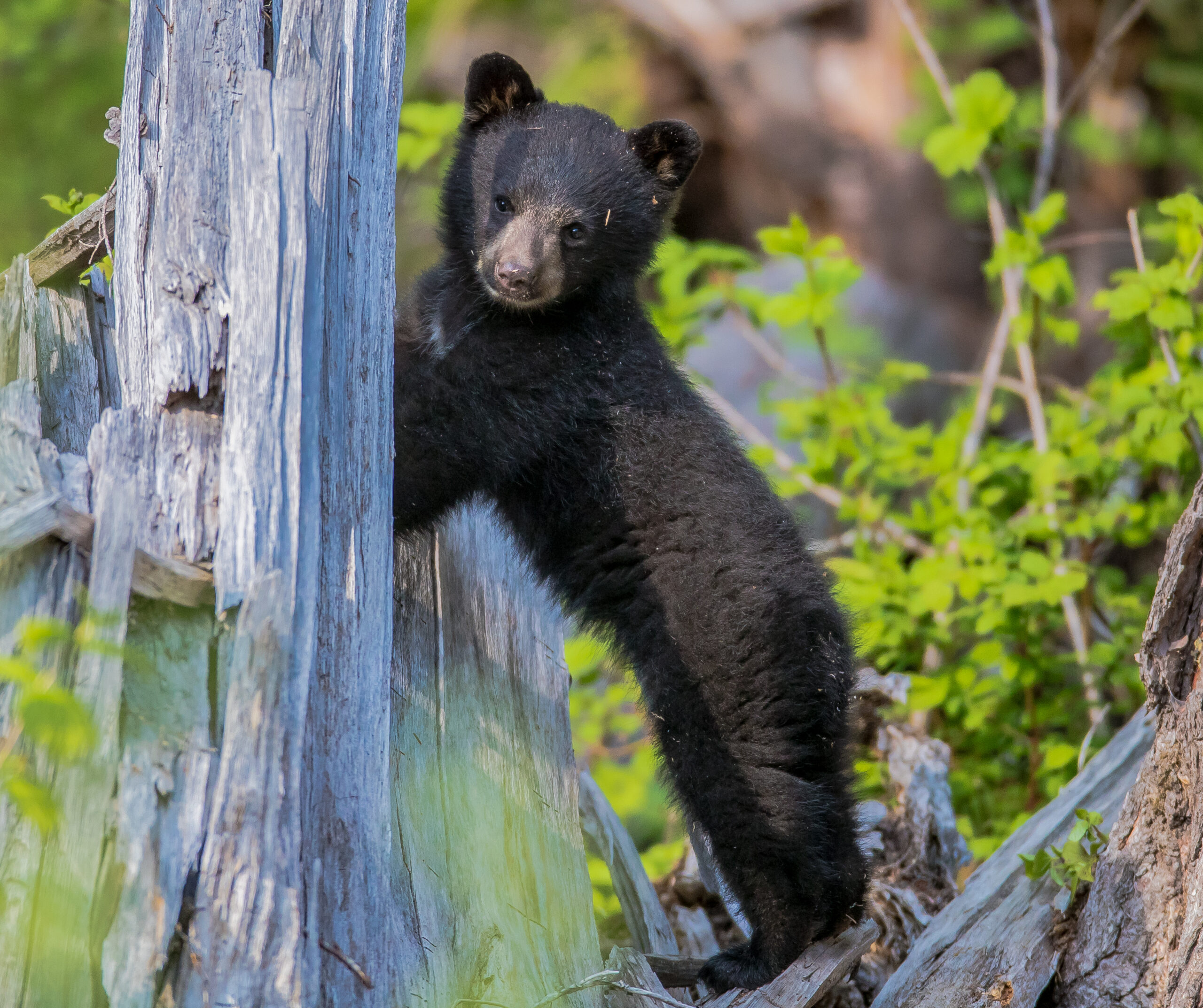
If you want to see bears the right way, join a guided Bear Viewing Tour. Expert guides take you to active feeding sites, daybeds, and the dens used for winter hibernation, all while keeping a respectful distance.
It is the safest way to observe these animals, and you will come away knowing far more about the bears who share this valley.
Planning a Whistler Stay?
Our concierge team can recommend bear-aware trails, arrange a guided viewing tour, and make sure your home is set up to keep both guests and wildlife safe.